Chasing First Light and Last Glow Across the White Peak

Step into the Photography Guide to Sunrise and Sunset Ridge Loops in the White Peak, where early footsteps, whispering drystone walls, and unfolding skies meet practical wisdom. Discover when light reveals sculpted limestone, how to plan safe, efficient loops, and what gear, settings, and stories elevate fleeting colour into lasting work. Bring curiosity, respect, and warm layers; leave with images that breathe.

Planning the Light: From Blue Hour to Ember Afterglow
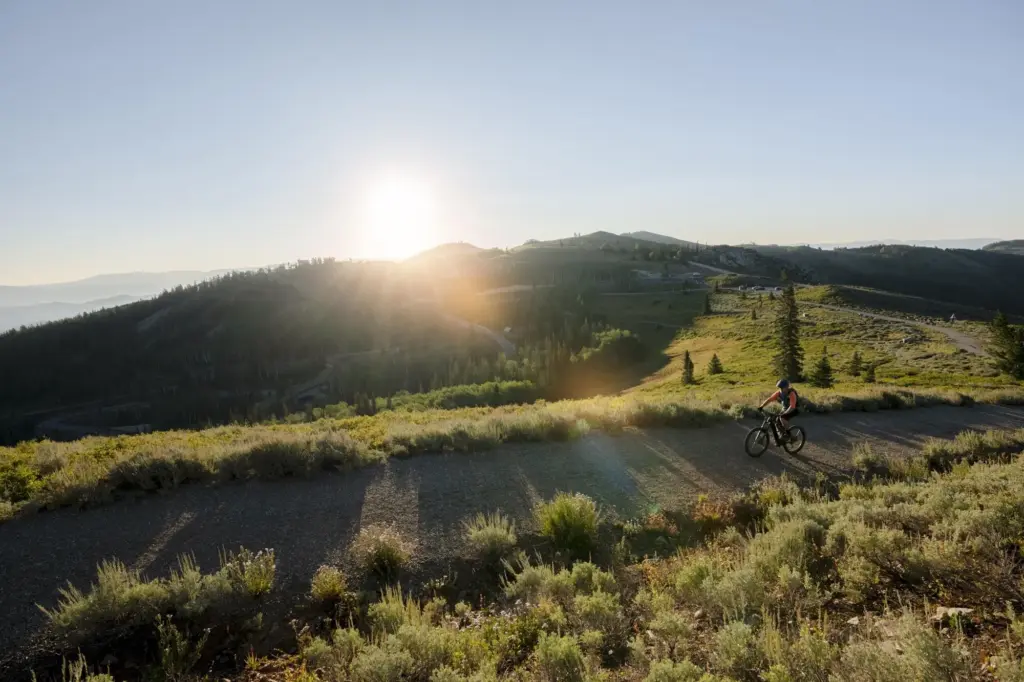
Nothing matters more than timing when cliffs and meadows glow from edge to edge. Learn how blue hour deepens limestone textures, why civil twilight often outperforms sunrise itself, and when lingering after sunset gifts ember-coloured rims. We will map astronomical, nautical, and civil markers to predictable decisions that calm creative nerves.

Timing windows that reward patience

Build generous buffers around twilight because gates stick, boots untie, and curiosity steals minutes. Note civil twilight start and end, add ten minutes for breath, and allow fifteen more for slow tripods. That cushion opens space for noticing cloud edges, thin mist, and fleeting side-light that rewards the walker who does not rush.

Scouting vantage points before dawn and after dusk
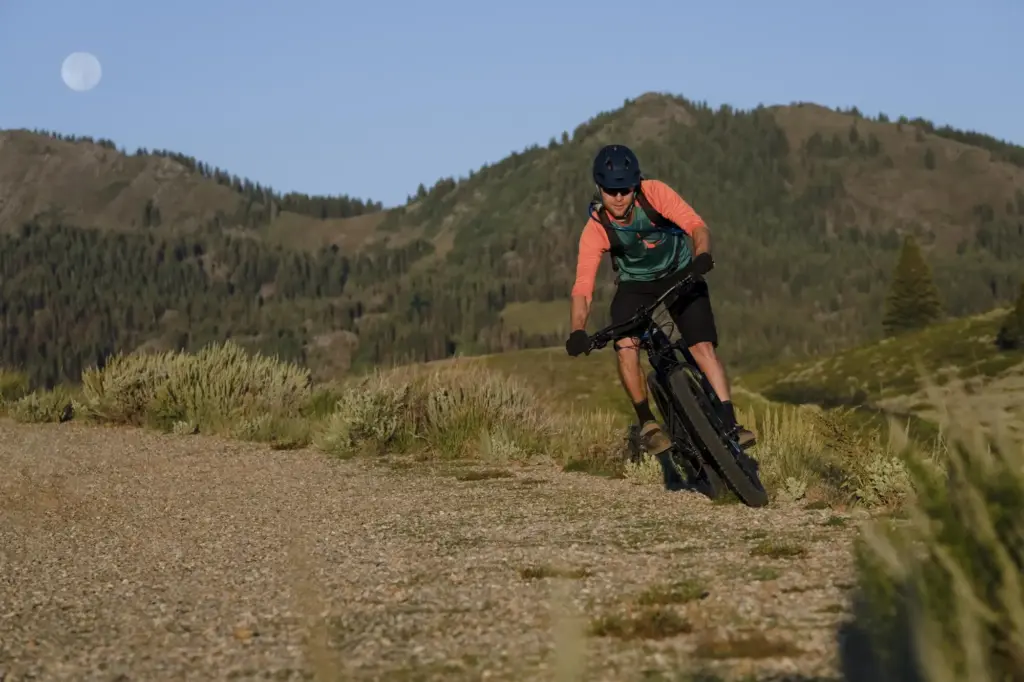
Arrive while colours are quiet and practise your footing along the ridge, marking where foreground stones, walls, and sheep tracks align with horizons. Sketch one composition facing east for daybreak and another looking west for the goodbye glow. When the moment arrives, you simply step, frame, exhale, and let the camera listen.

Reading the lie of the land: compass, contours, and limestone clues
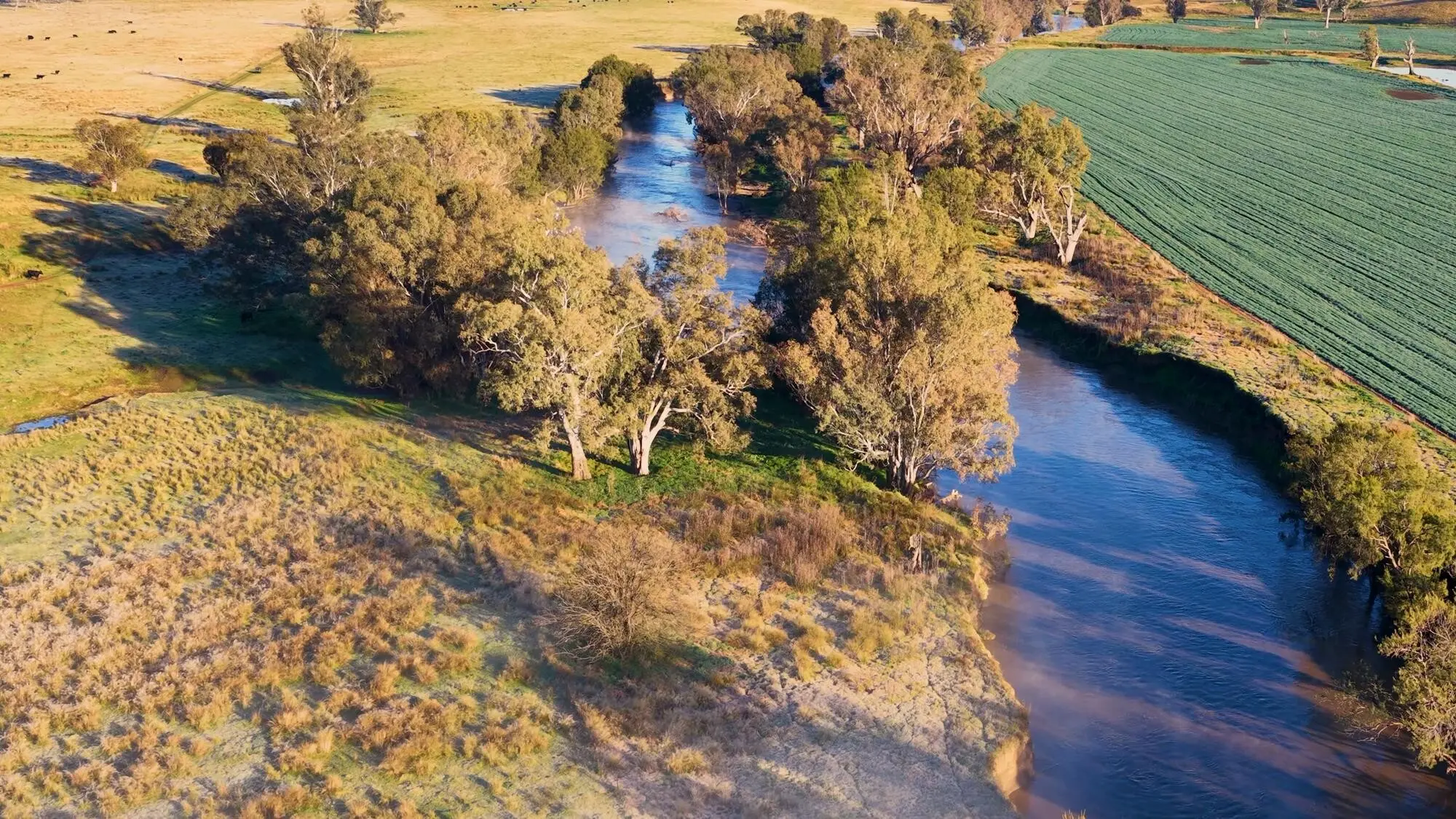
A pocket compass and contour lines turn guesswork into confidence. Limestone ridges can hide dips that steal sunrise or wind that shakes everything. Trace valleys funneling mist, note saddles that frame distant hamlets, and choose shoulders with enough clearance for safe silhouettes. Good maps, humble notes, and calm observation beat luck every time.

Access and parking with considerate early starts
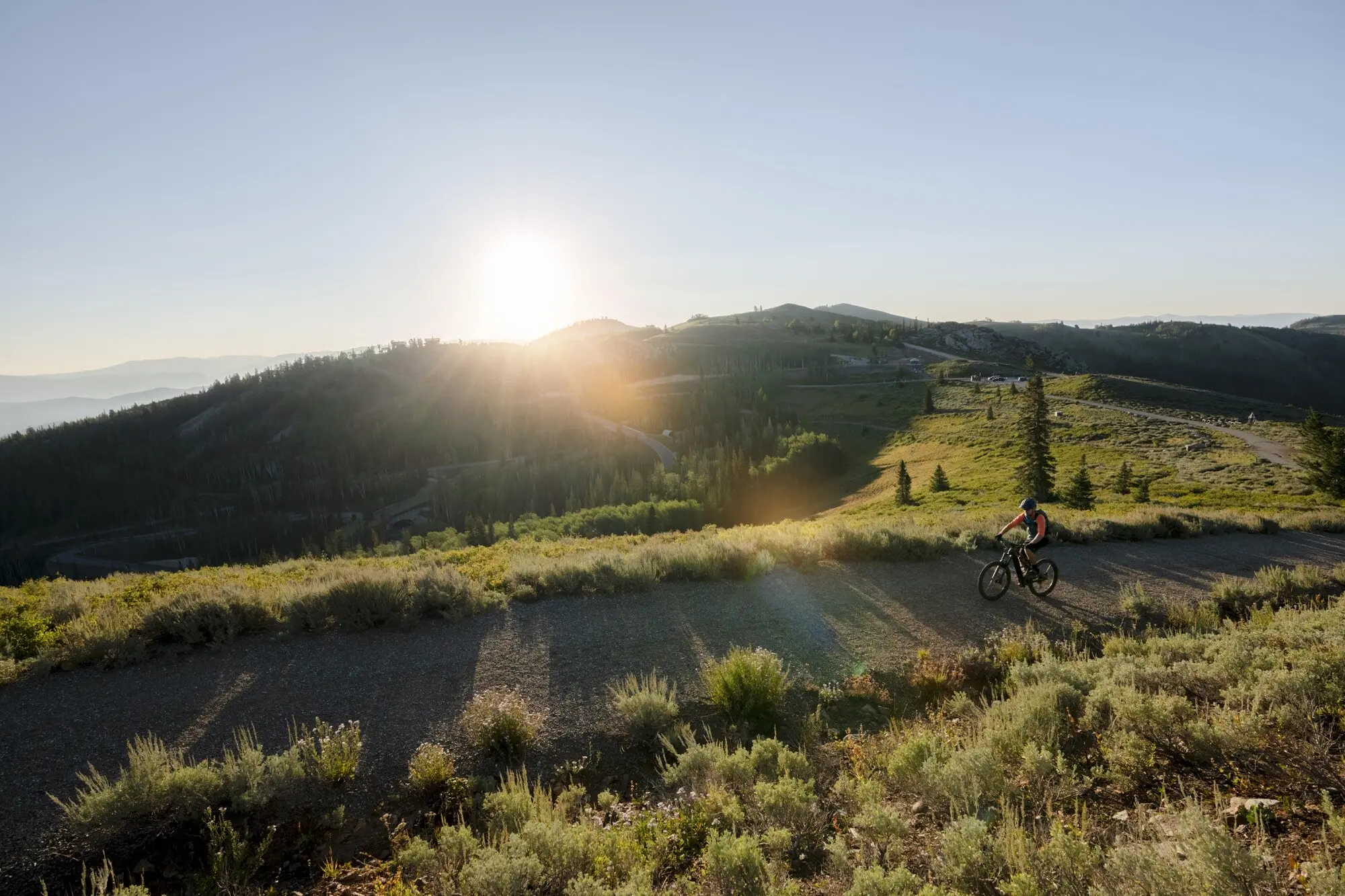
Park where verges remain wide, farm entrances stay clear, and neighbours can sleep. Note pay machines that wake late, and carry coins just in case. Pre-pack boots, headtorch, and gloves within arm’s reach. Leave a friendly note in the window if returning after dark, and always close gates you pass through, quietly.

Pacing, breakpoints, and turnaround times for loops
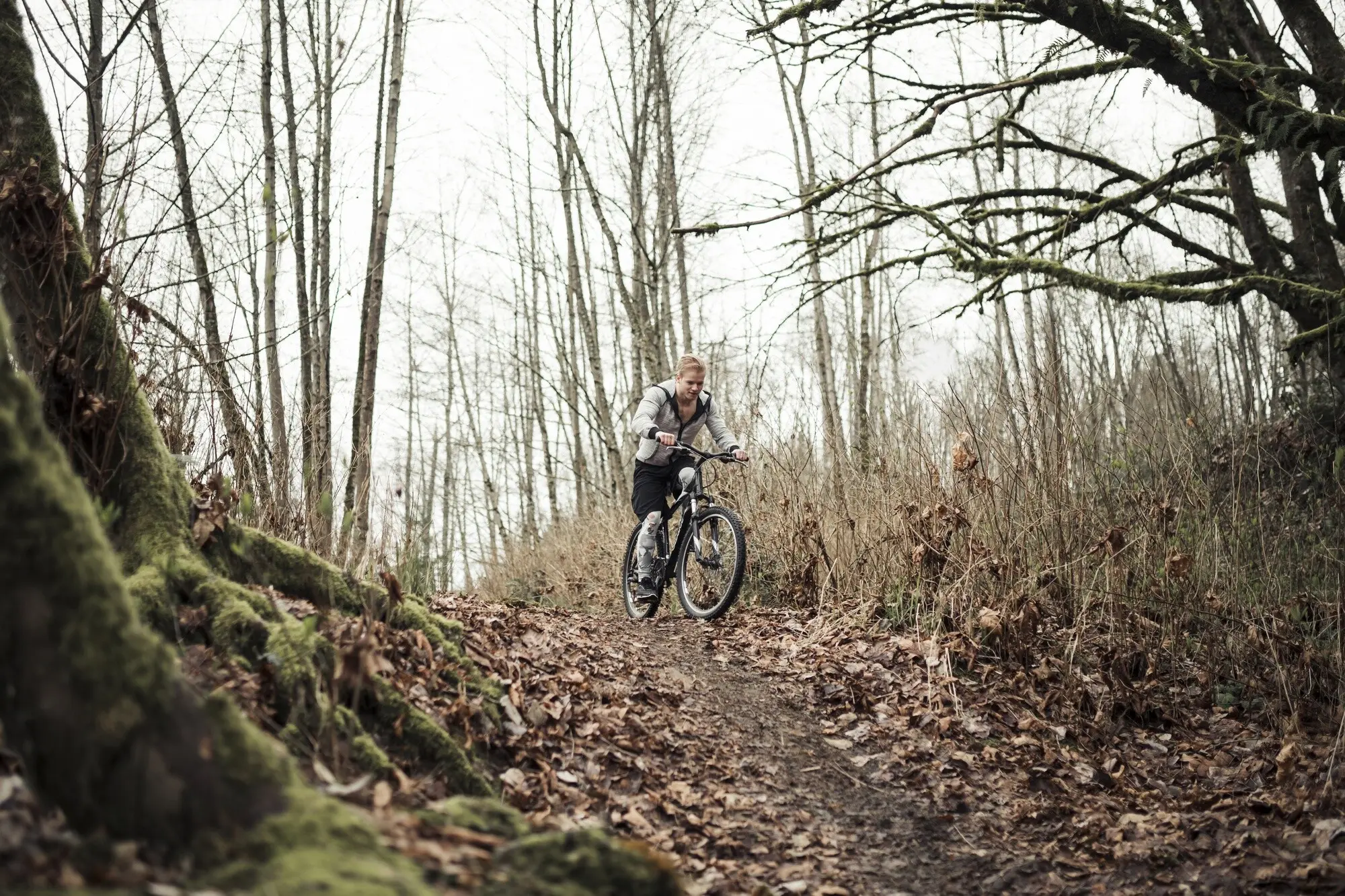
Set a latest-depart time for sunrise ridges and a latest-turn time for sunset returns. Choose brief breakpoints in sheltered nooks to refuel without chilling. If wind or clag grows, shorten the loop rather than forcing pace. Finishing safely with energy in reserve beats any photograph taken while racing daylight down slippery steps.

Navigating in the half-light without losing the line

Half-light flattens depth and steals familiar landmarks, so anchor decisions to fence corners, wall junctions, and stiles you can count. A red-light headtorch keeps night vision while you check bearings. Track time between known features; if minutes stretch, pause, reset, and confirm. The surest route preserves both ankles and creative attention.

Gear And Settings Tailored For Ridge-Top Colour And Contrast

Carry light, think stable, and prepare for quick shifts. Ridge winds test tripods, while pastel valleys beg gentle exposures. We will refine what absolutely earns its place: lenses that flex, filters that calm skies, gloves that operate dials, and settings that hold detail without choking the breath out of dawn or dusk.

Compositions That Weave Walls, Ridges, And Valleys Into Stories

The White Peak rewards careful layering: sinuous walls, grazing lines, and pale stone catching sidelight. Shape foregrounds that invite touch, balance negative space with quiet fields, and give the sky room to sing. Consider a human figure for scale, or a red jacket crossing a stile, to guide the eye through the scene.

Leading lines and the poetry of drystone geometry

Let walls begin near a corner, arc across the frame, and disappear toward lit ridges. Keep horizons modestly high or low to avoid slicing the rhythm. Step sideways until awkward tangencies release. The best line feels inevitable, as though the land drew it for you, only waiting for your lens to notice gently.

Foregrounds that anchor scale and invite touch

Seek lichen-crusted stones, dew-beaded grasses, or frost-feathered thistles within arm’s length. Kneel to meet their textures honestly, then tilt the frame so the foreground converses with distant light. A strong anchor steadies gentle skies, creating depth without complication. When in doubt, move your feet first and your zoom ring last, always.

Including people for narrative, proportion, and place

Ask a companion to pause where the path kinks and the horizon breathes, then count a few heartbeats for natural posture. Avoid silhouettes merging with wall tops. A small figure in the distance adds scale without stealing attention. Invite readers to share whether a person strengthened your story, and what emotion they sensed first.
Spring into summer: blossom haze, long gloam, and hay meadows
In late spring, hedgerows froth with white and paths smell of damp limestone warming. Expect long civil twilights, bright midges near still air, and fields preparing hay. Work softer colours with gentle polarisation, and watch for tractors shaping lines that guide compositions. Carry water, light layers, and patience; sunsets linger far beyond predictions.

Autumn gifts: mist rivers, copper hedgerows, and mellow fire

Cool nights lay mist along valley floors while ridges bask in early fire. Arrive above the fog and align walls that slip into cloud like punctuation. Colour peaks in hedgerows and hawthorn; let reds sing without oversaturation. Breeze may thin mist suddenly, so build two compositions: one for reveal, one for lingering veil.

Wildlife, Livestock, And Care For Fragile Places
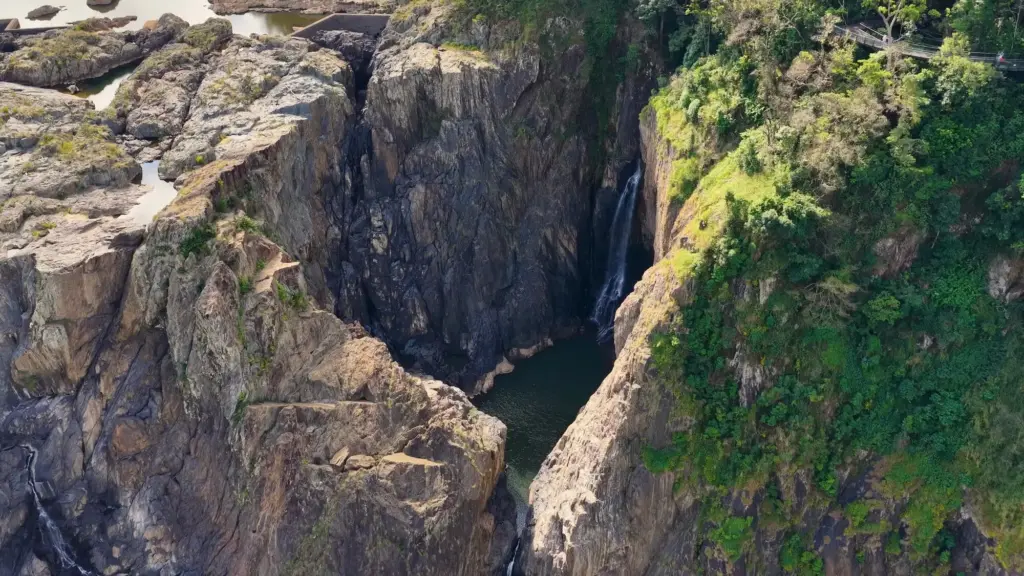
Dawn and dusk belong to creatures who live here full-time. Respect fields, walls, and seasonal nesting without turning your back on safety. Close gates softly, keep distance, and read signs with humble attention. Good fieldcraft protects your image, your reputation, and the quiet shared by walkers, farmers, skylarks, and patient sheepdogs.

From Field To Final Image: Honest, Quiet Post-Processing

Zentomorivirozavo
Privacy Overview

This website uses cookies so that we can provide you with the best user experience possible. Cookie information is stored in your browser and performs functions such as recognising you when you return to our website and helping our team to understand which sections of the website you find most interesting and useful.